
Best Time for Whale and Dolphin Watching in Madeira: Months, Species & Tips
The volcanic archipelago of Madeira is widely considered one of the best places in Europe for marine wildlife encounters, and for good reason. The island rises from a massive underwater volcano, where ocean depths of over 2,000 metres begin just a short distance from the coastline. This dramatic drop creates a unique ecosystem, bringing deep-ocean species that usually stay far out at sea remarkably close to shore. Unlike many destinations where sightings depend heavily on the season, Madeira offers opportunities for observing cetaceans throughout the year. Several species live in these waters permanently, while others pass by during migration, making every trip unique.
Encounters here feel less like a staged activity and more like entering a pristine natural habitat. It is not uncommon to see dolphins swimming alongside the boat or whales surfacing against the backdrop of majestic volcanic cliffs. The Atlantic around Madeira is active, unpredictable, and alive—which is exactly what makes each experience so memorable. Whether you choose a shared tour or a more intimate boat tour, the key difference lies in your connection with the ocean. Smaller vessels can adjust routes, follow wildlife more naturally, and reach areas that larger ships often cannot.

What Species Can You See in the Atlantic Waters
One of the reasons the archipelago is so popular is the remarkable diversity of marine life found around the island. Thanks to deep Atlantic waters and warm currents, Madeira is home to a mix of resident species and seasonal visitors. Among the most iconic residents are the Short-finned pilot whales (Globicephala macrorhynchus), highly social animals that travel in pods and are regularly spotted throughout the year. Their calm, steady movements make them one of the most characteristic sights in the region. They share these waters with Sperm whales (Physeter macrocephalus), the deep-diving giants of the abyss. While they can stay underwater for long periods, they are frequently seen resting on the surface before their next dive.


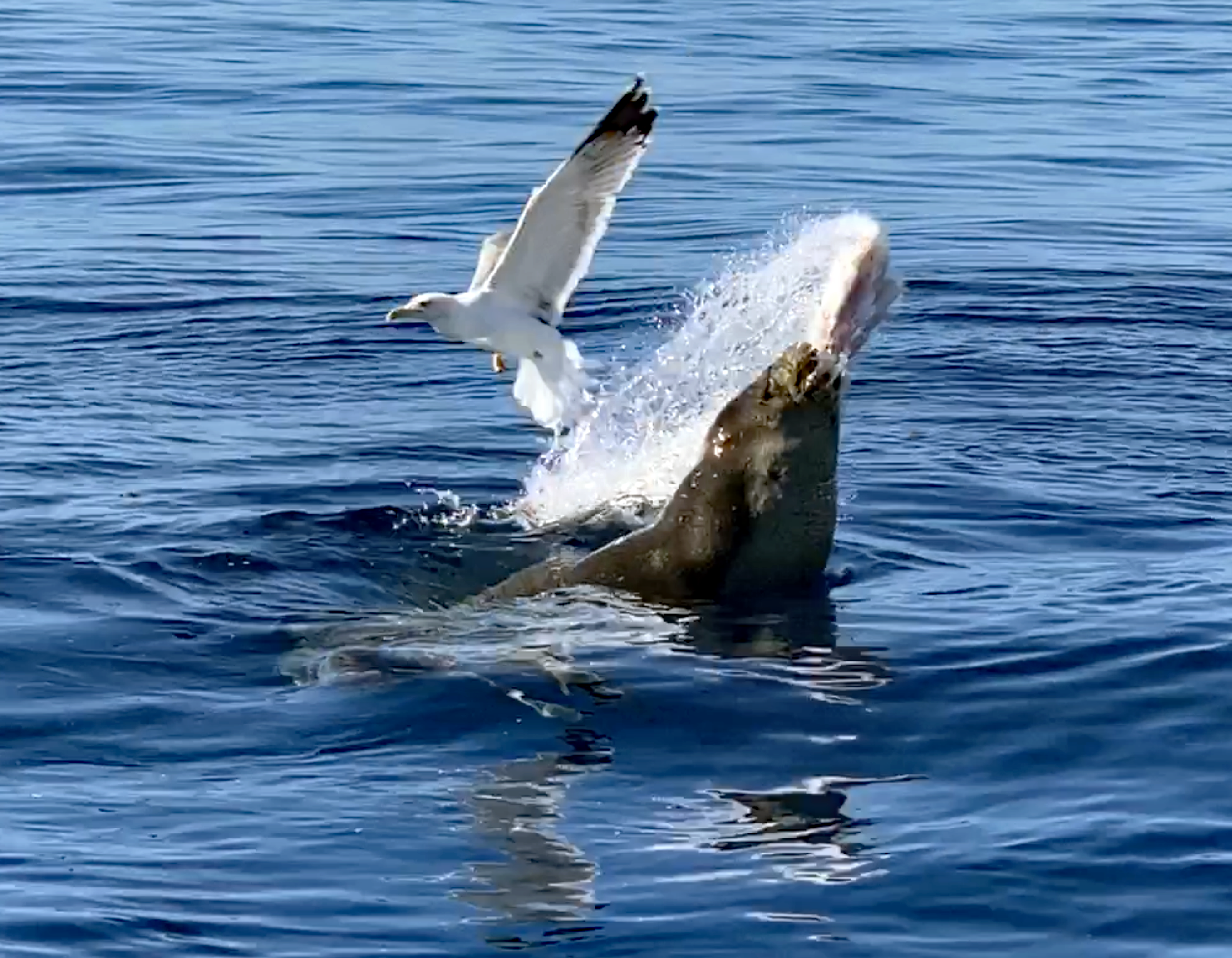
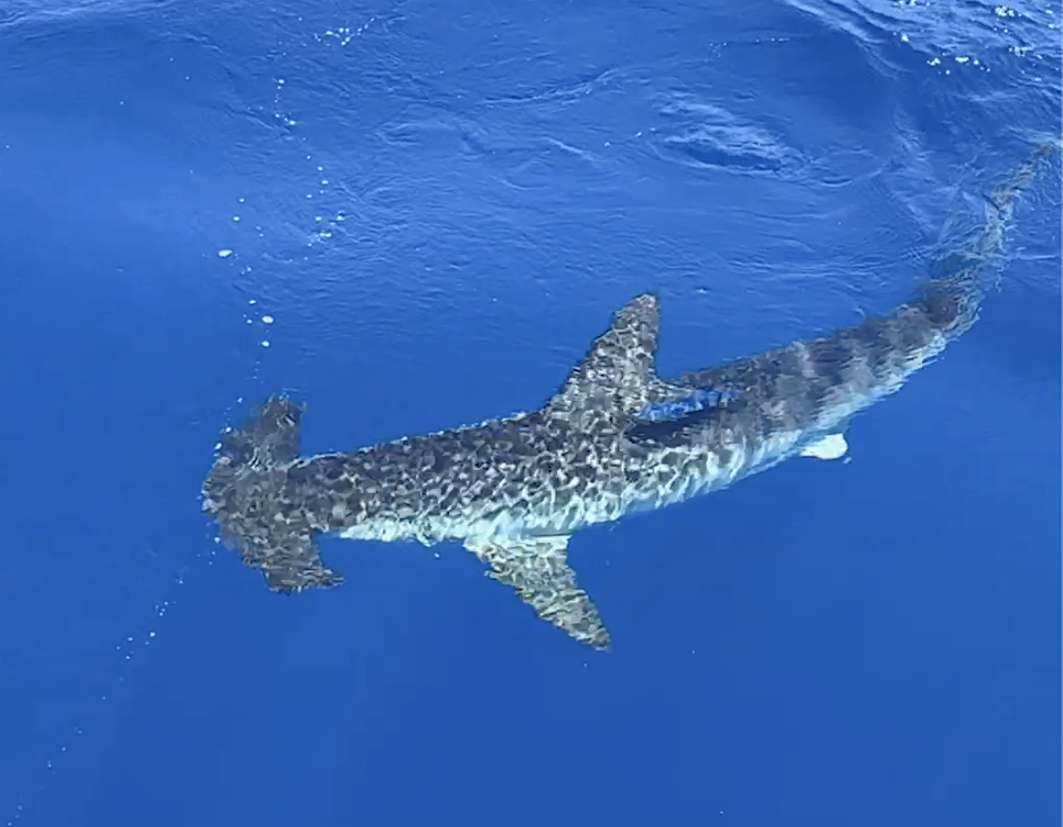
The local dolphin populations are equally impressive, with bottlenose dolphins and Atlantic spotted dolphins being the most frequent companions on these journeys. They are often curious and energetic, frequently riding the bow waves or leaping alongside the boat. However, the true “hidden gem” of the region is the Mediterranean Monk Seal (Monachus monachus). One of the rarest seals in the world, they are occasionally spotted near the coast or during trips toward the Desertas Islands.
During certain times of the year, especially in spring, Madeira becomes part of the migration routes for larger baleen whales, such as blue whales and fin whales. While seeing a Blue Whale is a rare and awe-inspiring privilege rather than a daily occurrence, these encounters are considered the “holy grail” for wildlife enthusiasts. In addition to whales and dolphins, the waters are home to loggerhead sea turtles and a variety of pelagic fish, adding layers to the overall natural experience.
A Seasonal Guide to Oceanic Encounters
While sightings are possible all year round, the experience varies as different species appear at different times. From January to March, the ocean is quieter, but sightings remain consistent. Resident species like dolphins and pilot whales are common, and sperm whales may also appear. It is worth noting that while the wildlife is present, winter trips are more dependent on sea conditions, and occasional swells may lead to rescheduled departures.
Spring, specifically April and May, is arguably the best time for variety. Migrating giants pass near the island during this peak migration season. While these sightings require a bit of luck, these months offer the highest statistical chance of seeing the largest animals on Earth. As we move into the period from June to October, we find the best overall conditions. This is the most popular season because the weather is generally stable, the sea is calmer, and visibility is excellent. Dolphins are seen almost daily, and tropical species like Atlantic spotted dolphins are most active now. Finally, in November and December, the Atlantic becomes more dynamic. While there are fewer migratory species, the resident populations continue to inhabit these waters, ensuring high sighting rates for those who don’t mind a slightly more adventurous sea.
What Time of Day Is Best for Setting Sail
While observing marine life is possible throughout the day, the experience can vary depending on the time you go out to sea. Morning trips are often considered the most comfortable because the ocean is usually calmer, winds are lighter, and visibility tends to be clearer. These conditions make it easier to spot movement on the water and follow marine life once it appears.
Midday and early afternoon tours can still offer excellent sightings, especially during the summer months when weather conditions are stable. However, the sea can become slightly more active later in the day, which may affect comfort for some travelers. For a different perspective, sunset boat trips around Madeira provide a serene experience. While they are less focused on maximizing sightings, they combine the possibility of encountering dolphins with the unique atmosphere of the Atlantic at golden hour. In practice, wildlife activity is not strictly tied to the time of day — these animals can appear at any hour. Choosing the right time is more about sea conditions and the kind of experience you are looking for.
How to Choose the Best Way to Explore
There are several ways to experience these encounters, and the format you choose can significantly influence how the trip feels. Larger boats and catamarans are the most common option, following fixed routes and schedules. This format works well for those looking for a more affordable and social experience, though it often lacks the agility needed for close-up encounters.
A more flexible option is choosing expeditions on smaller vessels or booking a private boat charter in Madeira. With fewer people on board, it becomes easier to move around, follow wildlife more naturally, and adjust the route depending on where animals are spotted. Captains can react in real time, rather than sticking to a fixed itinerary. Private charters offer the most personalised experience, allowing you to focus on wildlife, combine the outing with swimming, or simply enjoy the solitude of the ocean. This often leads to a more natural and immersive encounter with the Atlantic environment.
Tips for a Better Marine Adventure
A whale watching trip in Madeira does not require special preparation, but a few simple touches can make your experience noticeably more comfortable and memorable.
Dress for the Atlantic Breeze
Even on the warmest days, the open sea can feel surprisingly cool due to the wind and the boat’s movement. To stay comfortable, it is a good idea to bring a light jacket or a windbreaker, especially for morning or late afternoon trips when the temperature drops as you head further from the coast.
Find Your Vantage Point
Positioning yourself with a clear view of the horizon is key. Marine wildlife is often first spotted by a distant splash or a puff of mist on the skyline, so visibility matters. On smaller vessels, you’ll find it much easier to move around and follow the action as it unfolds, ensuring you never miss a breach.
The Art of Patience and Observation
On these Atlantic expeditions, sightings can happen at any moment. You might experience long, quiet stretches of serene sailing followed by sudden, breathtaking activity. Keeping a steady eye on the water increases your chances of spotting a dolphin’s fin or a whale’s tail before anyone else does.
Capture the Moment, But Stay Present
While it is natural to want to document these encounters, the most powerful memories are often made when you put the camera down. If you do bring your gear, keep it ready — these encounters can be brief and beautifully unpredictable — but make sure to experience the sheer scale of these animals with your own eyes.
Respect the Sea Conditions
The Atlantic is a dynamic environment. If you are sensitive to motion, we highly recommend choosing a morning departure, when the surface is typically at its calmest. A light meal beforehand and a few basic precautions will ensure that your focus remains entirely on the magic of the ocean.
Is Whale Watching in Madeira Guaranteed?
One of the most common questions is whether sightings are guaranteed. The short answer is: not completely — but the chances are exceptionally high. Madeira is considered one of the most reliable destinations in Europe because several species live in these waters year-round.
The secret to this high success rate lies in the “Vigias”—traditional land-based spotters. These experts perched on coastal cliffs use high-powered binoculars to scan the horizon, just as their ancestors did, but now they communicate via radio to guide boats directly to the animals. This unique local method significantly increases the likelihood of encounters. In practice, most visitors do see dolphins or whales during their time on the water. But part of what makes the experience special is exactly this — the feeling of being in a natural environment, where every encounter is real, unforced, and authentically wild.
Experience Whale and Dolphin Watching with Divine Boats
At Divine Boats, the focus is on creating a more personal and flexible way to explore the Atlantic. With smaller boats and experienced local captains, each trip can adapt to the conditions of the day and the movement of wildlife. This approach allows for a more natural interaction with the ocean. Whether dolphins appear close to the boat or whales surface in the distance, the experience feels less like a tour and more like a genuine encounter with the marine world.
For those who prefer a quieter and more tailored outing, a private boat charter offers even greater flexibility — from adjusting the route to combining wildlife watching with swimming in secluded bays. Every day on the ocean is different, and that is exactly what makes it special. The goal is not to rush from one sighting to another, but to create an experience that stays with you long after you return to shore.