
Ocean Fishing in Madeira: Seasons, Fish Species, and Tips Before Heading Out to Sea
Madeira is rarely thought of as a classic destination for a fishing trip—people tend to visit for the levadas, cliff-top views, ocean sunsets, and mild climate. But it is the ocean that makes the island particularly interesting. Madeira’s shores drop off steeply, and the Atlantic waters surrounding the archipelago are home to large pelagic species: tuna, wahoo, dorado, marlin, as well as the black marlin, a staple of the local cuisine.
Ocean fishing here isn’t about guaranteed catches. It is an outing into a living environment where much depends on the season, weather, currents, the chosen technique, and the crew’s experience. Therefore, the best approach is to view such a trip not as “a couple of hours of entertainment,” but as an introduction to the true maritime side of Madeira: attentive, unpredictable, and very memorable.

Why Madeira is ideal for deep-ocean fishing
Madeira has a rather unusual geography for the Atlantic. Unlike many coastal regions of Europe, where the depth increases gradually, here the ocean becomes deep almost immediately after leaving the marina. This is important for fishing: large pelagic species are not restricted to shallow waters and can pass relatively close to the island.
Conditions are also influenced by the Canary Current, water temperature, and the volcanic seabed topography. Throughout the year, various fish species are found around the archipelago—from tuna and dorado to blue marlin during the warm season. This is precisely why Madeira has long been known among big game fishing enthusiasts, especially in Portuguese and British fishing circles.
That said, local ocean fishing differs significantly from the calm shore fishing many tourists are accustomed to in the Mediterranean. Here, weather windows, ocean conditions, and the captain’s experience are crucial. Even in summer, the Atlantic can be rough, and trips are sometimes postponed due to rough seas or wind—and this is considered standard safety practice.
There is another distinctive feature: in Madeira, maritime regulations and resource conservation are taken very seriously. Seasonal restrictions apply to certain species, and in sport fishing for large species (such as marlin), the “catch and release” principle is often practiced. Therefore, ocean fishing here is not just about the catch, but also about the process itself: searching for fish, working with tackle, navigation, and interacting with the ocean.
What kinds of fish can be found off the coast of Madeira?
Fishing off the coast of Madeira depends largely on the season and water temperature. There is no situation here where the same fish can be caught consistently year-round—the migration of pelagic species in the Atlantic changes along with the currents and the food supply. That is precisely why captains typically rely not only on the calendar but also on current ocean conditions.
One of the most famous species is the blue marlin. It is this fish that has made Madeira one of the most renowned big game fishing destinations in the Atlantic. Winning catches in the Blue Marlin World Cup—one of the world’s most prestigious marlin fishing tournaments—have been recorded off the island’s coast on multiple occasions. For a European destination, such results are truly rare and have largely shaped Madeira’s reputation among experienced ocean anglers.

Large marlin are most commonly found during the warmer months—typically from late spring to early fall, though the specific months can vary from year to year. It’s important to understand that this type of fishing requires time, good weather, and a bit of luck: even experienced crews don’t consider an encounter with a marlin a guaranteed outcome.
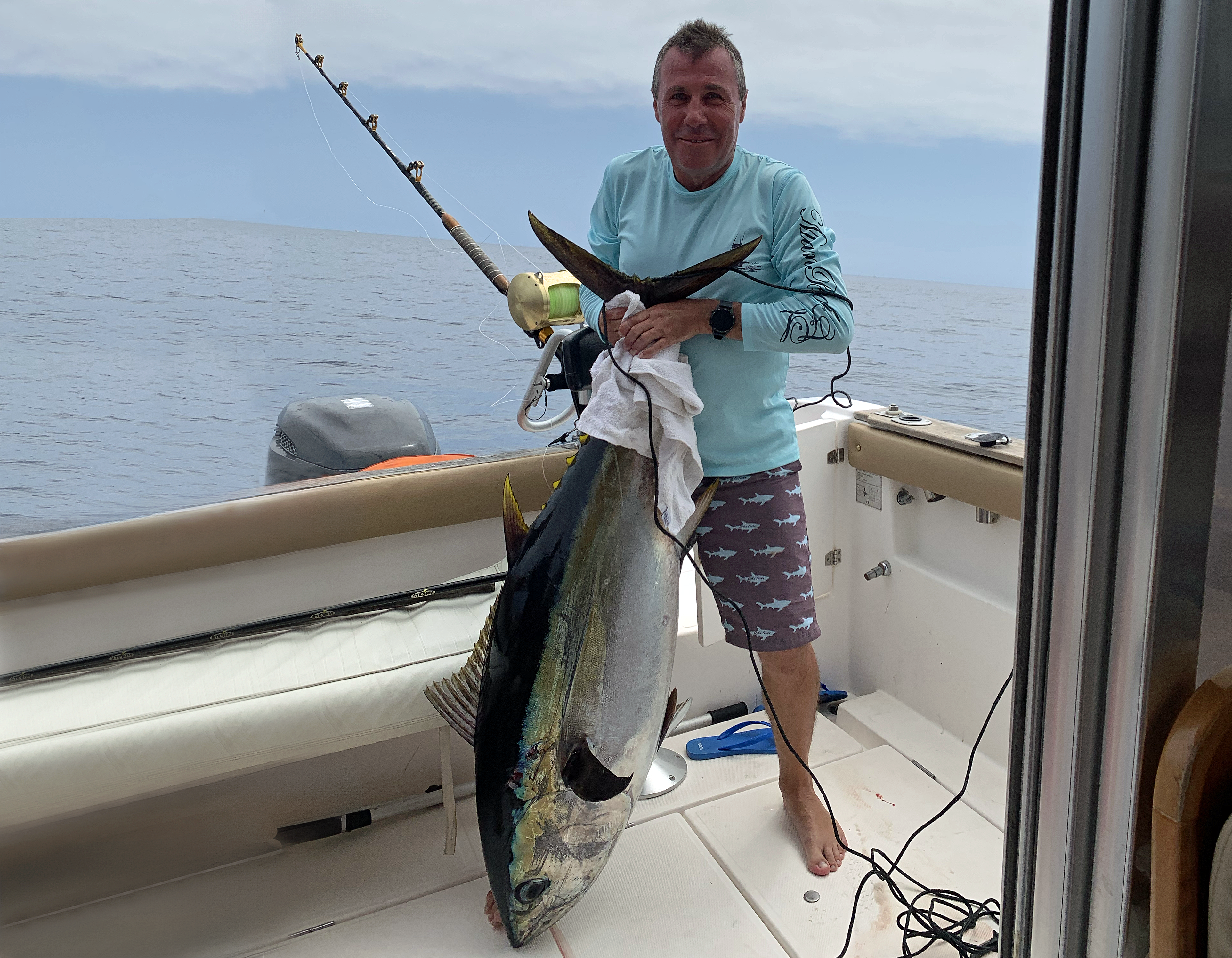
Various species of tuna are encountered much more frequently during ocean trips. In the waters around the island, you can catch yellowfin tuna, skipjack tuna, and albacore. Tuna is valued not only as a sport fish but also as an important part of the local cuisine—it can be found in many restaurants in Madeira.
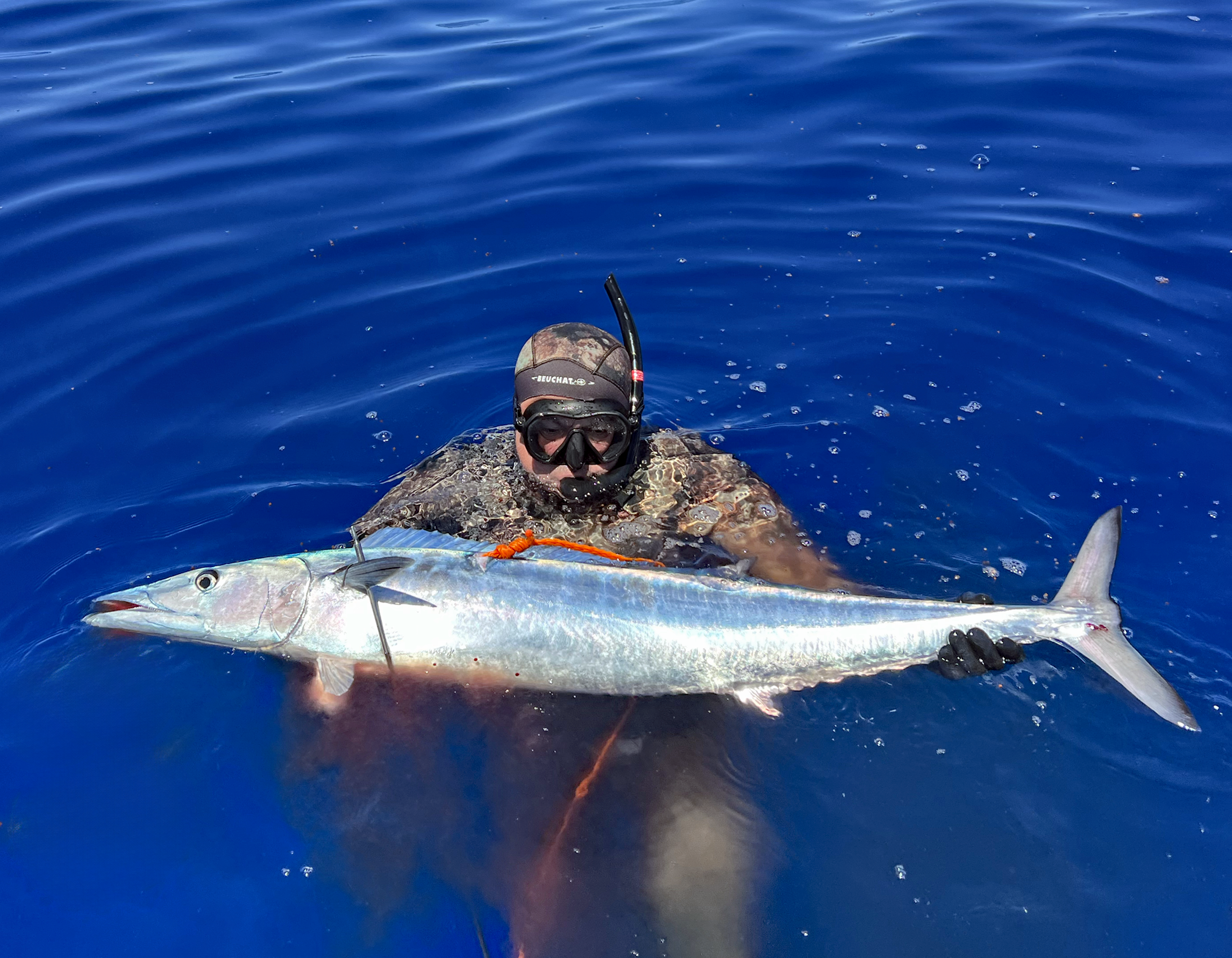
During the warmer months, dorado (mahi-mahi) and wahoo are also frequently encountered. These species are known for their speed and active behavior when being reeled in, which is why they are particularly popular in trolling. Closer to the island, you may encounter barracuda, mackerel, and various bottom-dwelling species.
The black swordfish (espada preta) holds a special place in local culture. It is one of Madeira’s culinary hallmarks, although commercial fishing for this species differs significantly from the recreational deep-sea fishing typically offered by private boats and charters.
The main fishing methods: trolling, jigging, and bottom fishing
The type of fishing in Madeira depends on the season, ocean conditions, and the species the crew is targeting. Three methods are most commonly used: trolling, jigging, and bottom fishing. They differ significantly in both technique and the experience they offer.
Trolling
Trolling is what people typically associate with ocean fishing in the Atlantic. The boat moves at a certain speed, with lures or bait trailing behind it. This method is used to target pelagic fish—tuna, wahoo, dorado, and marlin.
Trolling requires constant movement and monitoring of the fish finder, currents, and fish activity. Sometimes a bite comes twenty minutes after leaving the marina, and sometimes you have to search for several hours to find the right spot in the ocean. That’s why many people enjoy this style precisely because of the element of anticipation and unpredictability.
Jigging
Jigging is considered a more active technique. Here, the angler works the tackle independently: a heavy lure is lowered to depth and retrieved in a series of movements. This method is often used for deeper fishing near drop-offs and the underwater terrain of islands.
Physically, jigging is usually more demanding than trolling, especially in the open ocean. But it is precisely because of the constant interaction with the tackle that many consider it a more “hands-on” and athletic technique.
Bottom fishing
Bottom fishing is a popular choice for beginners and family outings. The boat operates in relatively calm waters, and the tackle is lowered closer to the bottom. Here, you’re more likely to catch local bottom-dwelling species and medium-sized fish.
This style is generally considered more relaxed than actively searching for large ocean fish. It relies less on long trips and allows you to focus specifically on the fishing itself, rather than waiting for a rare bite.
When is the best time to go fishing in Madeira?
Ocean fishing in Madeira is available practically year-round, but the activity levels of certain species vary significantly by season. Therefore, a lot depends on what type of fishing you’re interested in: a leisurely trip out to sea, tuna fishing, or trying to catch large pelagic fish during their season.
The period from late spring to early fall is generally considered the best time for big game fishing. During this time, the water warms up, and the chances of encountering blue marlin, dorado, or wahoo are significantly higher. The summer months are traditionally considered the most active for marlin, although the ocean never follows a “strict schedule”—the season can shift depending on water temperature and currents.
Tuna can be found at various times of the year, so fishing for them is possible even outside the summer season. In the fall and winter, the weather around the island becomes less predictable, but this doesn’t mean fishing trips come to a complete halt. Much depends on the specific day, wind strength, and wave conditions.
When planning your trip, it’s important to consider one more factor: fishing in Madeira is highly dependent on weather windows. Even with pleasant air temperatures, the ocean can be too rough for a comfortable trip. Experienced captains usually don’t take risks in uncertain conditions and may reschedule trips—this is standard practice in the Atlantic, not a sign of poor organization.
If the purpose of your trip is specifically fishing—rather than just a boat tour around Madeira — it’s best to plan for a few extra days. An extra day on the island often gives you more flexibility in choosing the right weather conditions and the type of fishing trip you’d like to take.
What type of fishing should you choose in Madeira?
The nature of deep-sea fishing in Madeira affects not only the length of the trip but also the experience itself out at sea. The difference between a short trip and a full day of fishing is more pronounced here than at many other fishing destinations: the Atlantic demands time—for travel, finding fish, and adapting to conditions at sea.
Half-day fishing trip
Trips lasting 4–5 hours are typically chosen by those who want to experience ocean fishing without committing to a full-scale sea expedition. This format is ideal for beginners, families, and travelers who want to combine fishing with the rest of their itinerary on the island.
During this time, you can head out to the open ocean, try different fishing techniques, and get a feel for the atmosphere of Atlantic fishing. However, it’s important to note that the short duration limits the distance of the trip and the time spent actively searching for fish.
Full-day fishing trip
A full day at sea gives the crew significantly more flexibility. It allows them to change search areas, respond more calmly to sea conditions, and operate in more remote locations. This is precisely the approach most often chosen for trolling for large pelagic fish.
At the same time, a full-fledged trip is a distinct maritime experience in itself, not just a stroll along the coast. In the open Atlantic, the waves, wind, and sun feel different, so long trips are usually better suited for those who are specifically going fishing.
Which boat you should choose
In Madeira, a variety of boat types are used—from classic fishing yachts to compact Zodiacs. Larger boats are typically chosen for their stability and comfort during extended trips. Zodiacs offer a different experience: closer contact with the water, more dynamic handling, and a more intense sense of the ocean.
Divine Boats offers both options, and the choice usually depends not on the “size” of the boat, but on the purpose of the trip—a leisurely outing with a small group, an active short fishing trip, or a full day out on the ocean.
What You Need to Know Before Heading Out to Ocean
Even during the warm season, the Atlantic off the coast of Madeira remains open ocean rather than calm coastal waters. Therefore, comfort while fishing often depends not only on the weather but also on how well you prepare for the trip itself.
The first thing crews usually warn about is possible rough seas. Even people who usually handle pleasure boats well sometimes feel seasick on the open ocean, especially in crosswinds. If you are prone to seasickness, it is best to take appropriate medication in advance and not go out to sea on an empty stomach.
Sun protection is just as important. On the water, UV rays feel stronger due to reflection off the ocean’s surface, and long stretches of the journey are spent with virtually no shade. It’s generally recommended to wear lightweight, covering clothing, a hat, sunglasses, and sunscreen with a high SPF. It’s best to choose shoes with non-slip soles—the deck can be wet even in calm weather.
It’s also important to have realistic expectations about the fishing process itself. Ocean fishing doesn’t guarantee a catch, especially when it comes to large pelagic fish. Sometimes the day is action-packed, with several bites, and other times a significant portion of the time is spent simply searching for fish. For experienced captains, this is a normal part of the job, not a sign of an “unlucky trip.”
In Madeira, safety is taken very seriously. Trips may be canceled or rescheduled due to rough seas, strong winds, or unstable weather. This is standard practice in the Atlantic, and this approach typically reflects the crew’s professional attitude toward the sea, rather than an attempt to go ahead with the tour “at all costs.”
Is ocean fishing suitable for beginners?
For a first-time ocean fishing trip, Madeira is a better choice than it might seem at first glance. The island offers many private charters for small groups, and the crews typically work not only with experienced anglers but also with tourists who are holding fishing gear for the first time.
At the same time, it’s important to understand the difference between ocean fishing and “recreational fishing” in a resort setting. In the Atlantic, the process revolves around real-world conditions at sea: searching for fish, working with currents, and navigating the ocean. Sometimes things happen very dynamically, and sometimes a significant portion of the trip is calm and measured.
It’s usually easier for beginners to start with short trips or calmer techniques like bottom fishing. This allows you to get used to the boat’s motion, understand your own reaction to the ocean, and experience the process itself without feeling overwhelmed. If, however, the goal is large pelagic fish and full-scale trolling, you should be prepared in advance for the fact that this type of fishing requires patience.
A good crew plays a particularly important role on these trips. The captain and crew assist with gear, explain the basics, and ensure safety on board. But the atmosphere of ocean fishing remains quite “authentic”—without a scripted scenario or guaranteed results. This is exactly what many people remember most.
How is deep-sea fishing different from a regular boat trip?
Many tourists go fishing in Madeira for the first time after taking standard marine excursions—such as coastal cruises or dolphin and whale watching tours. But a fishing trip feels completely different.
During sightseeing tours, the itinerary is usually designed around the sights, a comfortable pace, and the chance to relax on the water. Fishing, on the other hand, depends more on ocean conditions and fish behavior. The boat may change course, head further from shore, or linger in a specific area if the crew spots activity on the fish finder or the water’s surface.
The rhythm of the trip itself is also different. On a fishing trip, the day starts earlier, more time is spent preparing gear and coordinating the team, and the atmosphere on board is usually calmer and more focused. At the same time, it is precisely this format that allows you to see the Atlantic not only as a beautiful backdrop for relaxation, but also as a living environment that is constantly changing.
For many travelers, this becomes one of the most memorable parts of a trip to Madeira—even on days when the main catch isn’t the biggest.
Who should try fishing in Madeira
Deep-sea fishing in Madeira usually appeals not only to those who fish regularly at home. Often, people who simply want to spend a day on the Atlantic in a different way—not as part of a tour, but with a deeper sense of the ocean and the island’s marine life—choose to go on these trips.
That said, it’s best to keep your expectations realistic from the start. Fishing here isn’t about a guaranteed catch, but about the process itself: searching for fish, the crew’s work, the route, and the atmosphere of the open ocean. That’s why, for many, the main highlight isn’t a specific catch, but the very experience of heading out into the Atlantic.
Madeira is well-suited for those who want to try ocean fishing for the first time, but without the artificial “tourist spectacle.” There’s no sense of a themed attraction here—the ocean remains a living and unpredictable environment where much depends on the weather, the season, and luck.
If you want to spend a few hours or a whole day at sea in a more private and peaceful setting than on mass tours, private fishing trips can be one of the most interesting maritime experiences on the island.
For many travelers, ocean fishing becomes the part of the trip that makes a vacation in Madeira memorable for more than just beautiful landscapes and walks around the island. It’s an opportunity to spend time in the real Atlantic, see another side of the archipelago, and feel the rhythm of the ocean beyond the tourist trails.